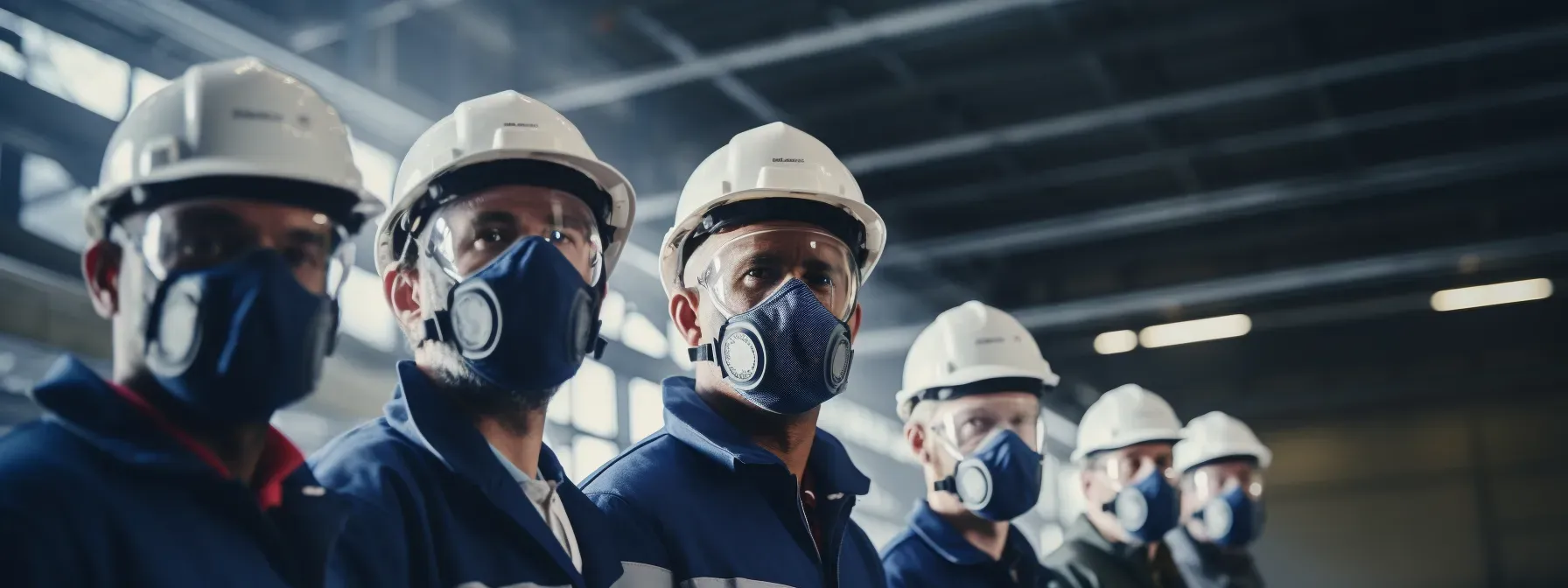
What Is Hearing Protection Fit Testing?
Hearing protection fit testing measures how much noise reduction an individual receives from their hearing protection device.
- Confirms proper fit and insertion
- Identifies under-protection risks
- Provides a real-world performance measurement
Fit testing calculates a Personal Attenuation Rating (PAR) for each worker.
What Is Personal Attenuation Rating (PAR)?
The Personal Attenuation Rating (PAR) measures hearing protection effectiveness for each individual worker based on how the device is worn in real conditions.
- Measures protection for the individual worker
- Reflects real-world noise reduction
- Provides more accurate data than lab-based estimates
Traditional Noise Reduction Rating (NRR) is based on laboratory testing and often overestimates protection. PAR is based on individual fit testing and provides more accurate data for workplace decisions.
Who Needs Hearing Protection Fit Testing?
Noise Exposure 95 dBA (8-hour TWA)
Required at the initial audiogram and before exposure to high-noise environments.
Significant Threshold Shift (STS)
Helps determine if current hearing protection is effective.
Physical Changes to the Ear
Retesting ensures continued protection when ear canal changes occur.
Change in Hearing Protection Device
Required when switching between types of protection.
Single-Frequency Hearing Shift
A 15 dB shift signals the need for reassessment.
Why Fit Testing Matters for Your Program
- Supports compliance with evolving regulations
- Improves protection against occupational noise exposure
- Enables data-driven decisions
- Strengthens training and program effectiveness
Hearing Protection Fit Testing with the CCF-200
The Benson Medical Instruments CCF-200 integrates fit testing into routine hearing testing workflows, allowing efficient testing of multiple employees.
Key Benefits
- Automatically measures PAR
- Integrates with audiometry workflows
- Allows efficient testing of multiple individuals
- Compatible with audiometers and sound level meters
Strengthen Your Hearing Conservation Program
Hearing protection fit testing is becoming a standard component of effective hearing conservation programs. It helps ensure compliance, improve outcomes, and provide measurable protection.