
Conditioned Play Audiometry (CPA): A Quick Refresher
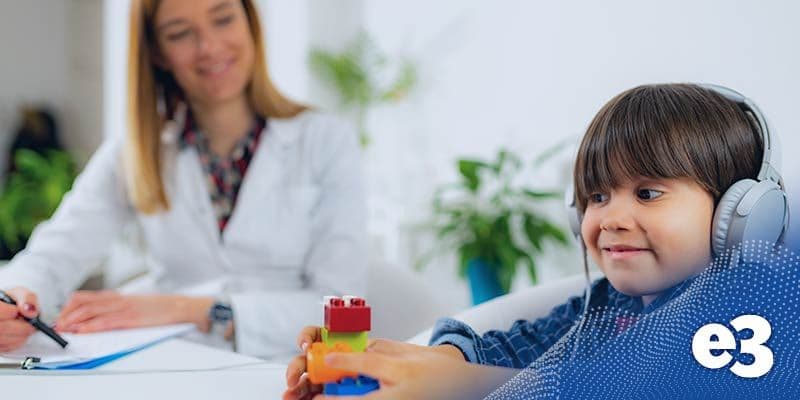
Conditioned Play Audiometry (CPA) is a widely used behavioral assessment technique that helps audiologists evaluate hearing in young children through structured, play‑based activities. By pairing auditory stimuli with simple motor tasks, clinicians can obtain reliable, age‑appropriate hearing thresholds while keeping the child engaged.
This guide provides a concise refresher for professionals using CPA in diagnostic or screening contexts.
What is Conditioned Play Audiometry?
Conditioned Play Audiometry is a pediatric behavioral test method that transforms hearing assessment into a structured game. Instead of responding by raising a hand or pressing a button, children perform a play action—such as placing a block in a bucket—whenever they hear a sound. During the conditioning phase, the clinician pairs an auditory stimulus with the designated play task until the child responds independently and consistently.

What Age is Conditioned Play Audiometry Used For?
CPA is most effective for toddlers and preschool-aged children who can participate in simple play routines while following basic instructions. While the typical age range is 2 to 5 years, CPA suitability depends on a child’s developmental skills—not age alone.
Ideal Age Range for CPA
CPA is generally recommended for children who:
- Are between 2 and 5 years old
- Can engage in turn‑taking
- Understand simple instructions
- Can complete a structured action such as dropping, stacking, or inserting an object
- Have the cognitive maturity to associate a sound with a purposeful response
Children slightly younger or older may also succeed with CPA if the developmental demands of the task match their abilities.
Developmental Skills Required for CPA
CPA reliability depends on the child’s ability to understand and perform the conditioned play task. Key skills include:
1. Cognitive Understanding
- Awareness of the link between hearing a sound and performing the task
- Ability to learn through modeling, repetition, and reinforcement
2. Fine or Gross Motor Coordination - Ability to place, insert, drop, or stack objects using simple motor actions
3. Ability to Follow Simple Instructions - Comprehension of one‑step directives such as:
“When you hear the sound, drop the block.”
4. Attention and Engagement - Ability to remain focused for brief periods
- Willingness to participate in clinician‑directed play
5. Emerging Behavioral Regulation - Capacity to wait briefly before responding
- Ability to stay on task, take turns, and accept reinforcement
When Might CPA Not Be Appropriate?
CPA may not be suitable when a child:
1. Cannot Complete the Motor Task
Motor challenges may prevent consistent responses.
2. Has Limited Attention or Play Engagement
Difficulty sustaining interest or tolerating the test environment can impact results.
3. Cannot Follow Instructions or Understand Cause‑and‑Effect
In these cases, Visual Reinforcement Audiometry (VRA) or alternative test methods may be more appropriate.
4. Is Anxious or Uncomfortable
Emotional distress, shyness, or resistance to structured activities may prevent successful conditioning.
5. Cannot Tolerate Headphones or Inserts
Workarounds such as sound‑field testing or “play telephone” presentation may help, but accurate CPA thresholds may still be difficult to obtain.
Who Conducts Conditioned Play Audiometry?
CPA is performed by licensed audiologists, often with support from audiology assistants. In some settings, speech‑language pathologists (SLPs) may use similar play‑based procedures during hearing screenings. Audiologists use CPA primarily for diagnostic threshold assessment and interpretation.
Why Do Audiologists Use Conditioned Play Audiometry?
CPA aligns with the developmental capabilities of preschool‑aged children. By turning the task into a game, clinicians can reduce test‑related anxiety, maintain engagement, and obtain accurate behavioral thresholds within a short attention window. CPA also supports reliable, repeatable responses needed for clinical decision‑making.
How Does CPA Work?
During CPA, auditory stimuli are presented through headphones, insert earphones, or speakers at various frequencies and intensities. When the child hears a sound, they perform the conditioned action—such as placing a block in a bucket. These motor responses help audiologists determine the softest sounds the child can hear at different pitches, providing essential diagnostic information.
Equipment Considerations for Conditioned Play Audiometry
Essential Equipment Categories for CPA
Audiometers
Audiometers are central to pediatric threshold assessment. For CPA, the ideal audiometer supports:
- Accurate delivery of soft presentation levels
- Simple operator controls
- Flexible routing to headphones, inserts, or sound‑field speakers
Browse Audiometers
Transducers (Headphones, Inserts, Bone Vibrators)
- Insert earphones offer comfort and stability for many children
- Supra‑aural headphones may be preferable when inserts are not tolerated
- Bone vibrators must be placed securely to avoid inaccurate thresholds
Correct placement and consistency significantly affect test accuracy.
Sound Booths
A well‑designed audiometric booth supports CPA by:
- Minimizing ambient noise
- Allowing parent and clinician visibility
- Providing enough space for toys and materials
Browse Sound Booths
Child‑Friendly Response Tools
Appropriate play materials include:
- Blocks
- Pegs
- Stackers
- Puzzles
- Drop‑in containers
These items should be durable, easy to sanitize, and sized for preschool motor skills. Changing toys during testing can help maintain motivation.
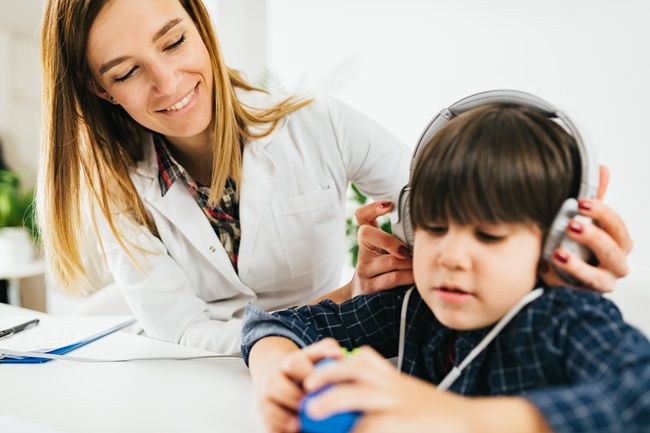
Key Components of CPA
Playful Environment
Testing occurs in a child‑friendly space designed to reduce stress and support cooperative play.
Audiologist Interaction
Clinicians guide, model, and reinforce the play task, adjusting strategies based on the child’s responses.
Stimulus Presentation
Sounds are presented through an audiometer at controlled intensities and frequencies.
Positive Reinforcement
Praise, encouragement, and simple rewards help maintain engagement and ensure valid responses.
How to Do Conditioned Play Audiometry (Step‑by‑Step)
This example uses a 3‑year‑old child, Lisa, being tested in a diagnostic audiology clinic.
1. Setup
Lisa sits in a child‑sized chair inside the booth. Her mother is present for comfort but instructed not to prompt responses.
2. Staffing Configuration
CPA often uses a two‑clinician model:
- One clinician facilitates the play task
- The other operates the audiometer
This approach supports attention management, efficiency, and threshold accuracy.
3. Instructions
The clinician introduces the task using clear, age‑appropriate language, such as:
“When you hear the birdy sound, drop the block in the bucket.”
A brief demonstration ensures understanding.
4. Preparation
After placing headphones or inserts, the clinician uses hand‑over‑hand guidance to pair the sound with the play action, reinforcing participation.
5. Conditioning
Lisa practices responding to the sound through repeated pairings until she can perform the task independently.
6. Independent Response Phase
Lisa now completes the play action without prompting, allowing the audiologist to verify consistent responses and begin threshold testing.
7. Frequency Testing Order
To maintain engagement, clinicians typically:
- Test one frequency in the right ear
- Then test the same frequency in the left ear
Alternating ears helps preserve cooperation and supports accurate threshold identification.
CPA vs. VRA – What’s the Difference?
Visual Reinforcement Audiometry (VRA) and CPA differ in developmental requirements, age range, and response types.
VRA
- Used for infants and young toddlers (6 months–2.5 years)
- Relies on reflexive head‑turn responses
- Appropriate for children who cannot follow structured instructions
- Ideal for preverbal or early‑verbal children
CPA
- Used for older toddlers and preschoolers
- Requires intentional, play‑based responses
- Suitable for children who can follow simple directions and complete a conditioned task
Managing Play Audiometry Challenges
Support Waiting Behavior
Clinicians may gently block premature responses with a hand barrier. A conditioned child will move the clinician’s hand only after hearing the sound.
Choose an Engaging Activity
Match the task to the child’s interest and development. Older children may prefer more dynamic activities, such as building and knocking down a tower.
Reconditioning as Needed
If the child becomes distracted or inconsistent, brief re‑teaching helps re‑establish the conditioned response.
Rotate Toys to Maintain Motivation
Introducing new materials can help re‑engage a child when attention begins to fade.
Adapt for Headphone Sensitivity
If headphones are not tolerated, clinicians may use a “telephone” presentation by holding an earphone to the ear, though this may limit threshold accuracy.
CPA’s combination of structured conditioning and playful interaction supports reliable threshold measurement while creating a positive experience for children and families.
Need Guidance on Equipment?
If you need support selecting equipment for pediatric hearing assessment, our team is here to help.
Other Good Reads: What Is Pure Tone Audiology?